Shifting reward pathways in Texas Hold'em through support-assisted fund movements across connected platforms
Wendy Brooks · Oct 22, 2026
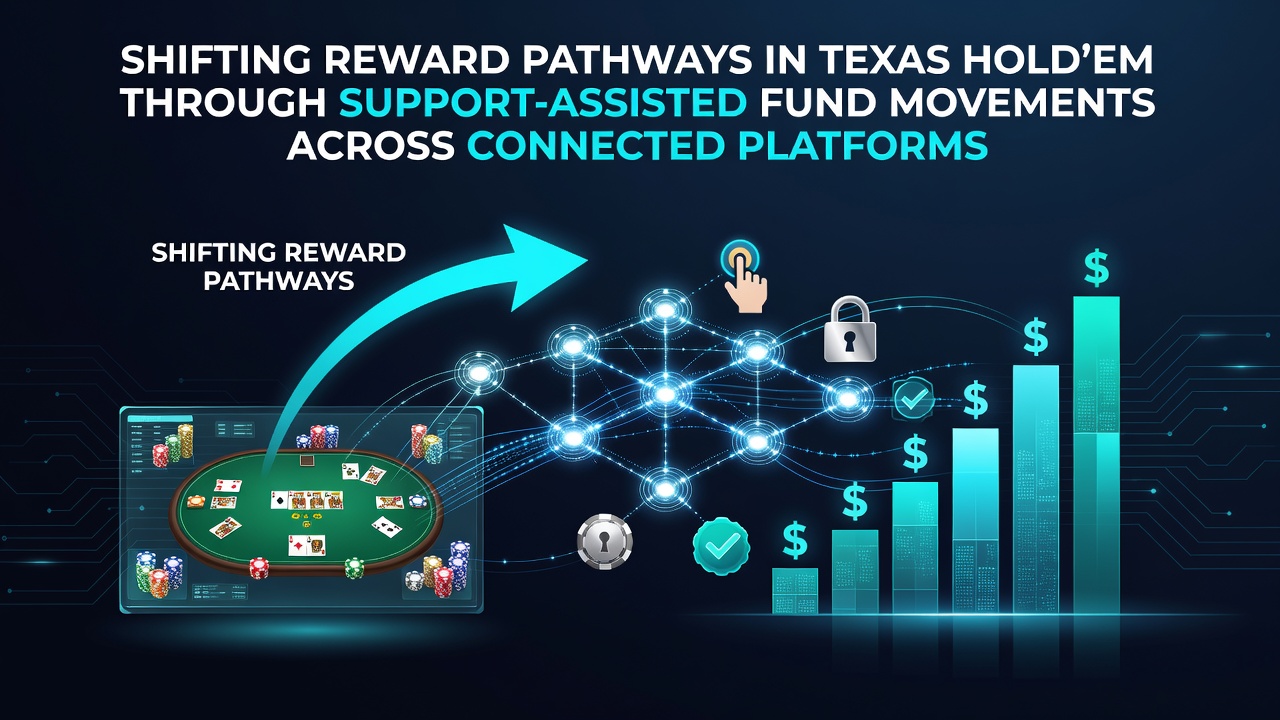
Shifting reward pathways in Texas Hold'em through support-assisted fund movements across connected platforms
Texas Hold'em platforms have integrated reward pathways that respond dynamically when support teams assist with fund movements across connected sites, and this integration creates measurable changes in how bonuses activate and how players qualify for progressive incentives. Data from regulatory filings shows these movements occur through verified channels that link accounts while preserving transaction histories, which allows operators to track participation metrics without disrupting session continuity.
Mechanics of Support-Assisted Transfers
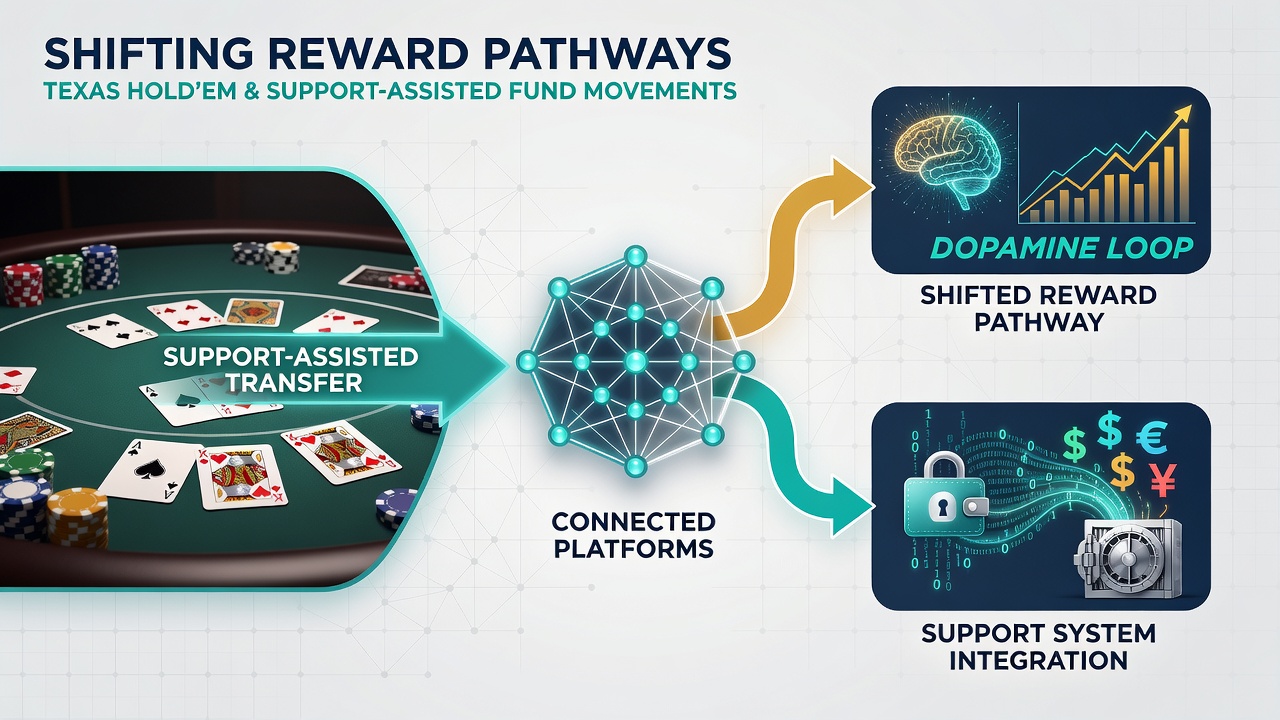
Support teams handle fund movements by confirming account ownership through multi-factor checks, then routing balances or promotional credits between partnered platforms that share backend systems, and this process typically completes within established timeframes set by each operator's compliance protocols. Observers note that such assistance becomes necessary when players encounter interface limitations during cross-device logins or when layered promotions require specific funding sequences to trigger eligibility.
Platforms document these interventions in internal logs that feed into broader analytics, which reveal patterns in deposit timing and withdrawal requests tied to tournament schedules. Research indicates that when support assists with these movements, reward pathways shift because the system recalibrates bonus multipliers based on the new funding source and destination account status.
Cross-Platform Connectivity and Reward Adjustments
Connected platforms operate under shared technical frameworks that permit real-time balance synchronization, yet each site maintains distinct reward structures that activate only after fund movements receive support verification. In October 2026 several operators updated their connectivity protocols to accommodate higher volumes of these assisted transfers, resulting in adjusted eligibility windows for jackpot contributions and leaderboard placements.
Figures from industry tracking services demonstrate that players who complete support-assisted movements between platforms experience altered reward accrual rates compared to single-platform users, because the system registers the activity as a qualifying event under multi-site promotion rules. Experts have observed that these shifts appear most pronounced during high-volume tournament periods when deposit patterns influence re-entry options and bonus stacking permissions.
Documentation and Compliance Requirements
Operators require support staff to record each fund movement with timestamps, originating platform details, and destination identifiers, and these records integrate directly into reward pathway algorithms that determine future bonus availability. According to reports published by the Nevada Gaming Control Board, such documentation supports audit trails that verify adherence to responsible gaming standards across multi-platform environments.
Additional data compiled by the Australian Gambling Research Centre shows that verified support interventions correlate with stable participation rates because players avoid account restrictions that arise from unassisted transfer attempts. The process therefore maintains continuity in reward pathways while satisfying regulatory expectations for transaction transparency.
Observed Patterns in Player Activity
Activity logs from major networks indicate that support-assisted fund movements frequently precede increased engagement with layered promotions, and this sequence occurs because the transferred amounts satisfy minimum threshold conditions for new reward tiers. Researchers discovered that players who route funds through support channels during October 2026 events recorded higher average session durations across connected sites than those who did not.
These patterns emerge from system-level responses that recalibrate incentive triggers once a verified movement registers, which alters the sequence of bonus releases and jackpot contribution credits. Observers note that the adjustments remain consistent with each platform's published terms, ensuring that reward pathways evolve in predictable ways rather than through arbitrary changes.
Conclusion
Support-assisted fund movements across connected Texas Hold'em platforms continue to reshape reward pathways by introducing verified transaction points that platforms use to recalibrate bonus eligibility and participation metrics. Regulatory records and operational data confirm that these processes follow documented procedures that preserve compliance while enabling players to access incentives across multiple sites. As connectivity expands, the documented patterns suggest reward structures will incorporate additional variables tied to movement frequency and verified support involvement.