Tracing Virtual Table Atmosphere Effects on Decision Accuracy in Card-Based Competitive Platforms
Anna Perry · Nov 19, 2026

Tracing Virtual Table Atmosphere Effects on Decision Accuracy in Card-Based Competitive Platforms
Virtual table atmospheres in card-based competitive platforms encompass visual layouts, sound cues, animation speeds, and interactive elements that shape how participants process information during gameplay, and researchers have begun mapping these factors to measurable shifts in decision accuracy across multiple sessions. Data collected from platforms operating in 2025 and into 2026 reveal consistent patterns where subtle changes in background lighting or avatar reactions correlate with variations in hand selection and betting timing, while studies continue to isolate which components produce the strongest effects on cognitive load.
Defining Virtual Table Atmosphere Components
Atmosphere elements include dynamic lighting that shifts with pot size, real-time sound layers tied to community card reveals, and avatar expressions that respond to action sequences, all of which operate alongside core mechanics such as card dealing animations and chat overlays. Observers note that platforms adjust these features through A/B testing cycles, and figures from industry reports show that players encounter between four and seven distinct atmosphere configurations during an average multi-table session. These configurations interact with device-specific rendering, where mobile interfaces compress visual density compared with desktop versions, leading analysts to track separate accuracy baselines for each format.
Measuring Decision Accuracy in Competitive Settings
Decision accuracy gets quantified through metrics that compare chosen actions against optimal ranges derived from historical hand data, and platforms apply these calculations at the individual and aggregate levels to identify deviations during live events. Research indicates that accuracy drops become detectable within the first 12 hands when atmosphere variables intensify, whereas steadier environments sustain higher consistency through extended play periods. November 2026 brought new datasets from cross-platform studies that examined over 180,000 sessions, and those records highlight how timing between decision points and atmosphere triggers influences the frequency of suboptimal folds or calls.
Observed Patterns Across Platforms
Analyses of synchronized login and reward systems show that atmosphere intensity often peaks during bonus-triggered rounds, and this timing aligns with measurable changes in how quickly players evaluate pot odds. One study released through academic channels documented a 7 percent reduction in accuracy scores when ambient sound layers activated alongside rapid animation sequences, while quieter configurations preserved baseline performance across similar hand volumes. Platforms in North America and the Asia-Pacific region have begun sharing anonymized telemetry to refine these correlations, and the resulting models help isolate atmosphere variables from external factors such as session duration or stake level.
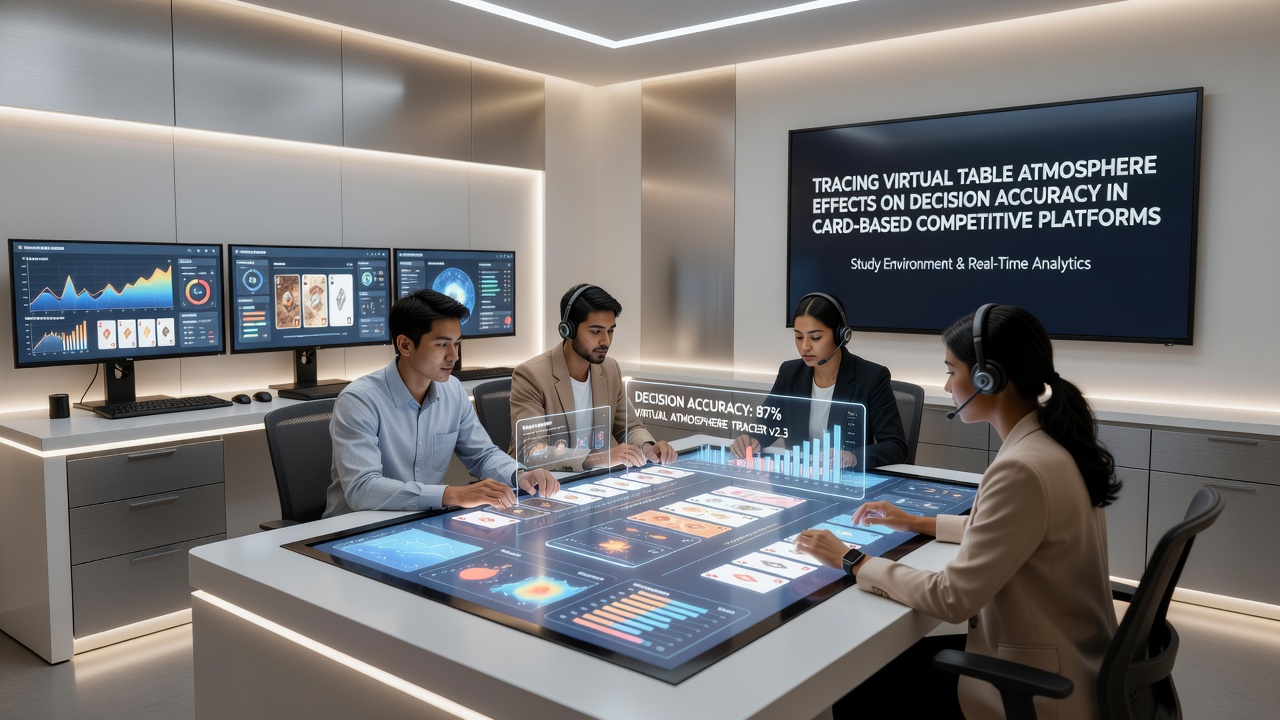
Additional findings point to avatar reaction systems as another variable, where exaggerated emotional cues coincide with increased hesitation intervals before final actions. Those intervals, when aggregated, reveal clusters of lower accuracy that appear independent of player experience level. Researchers at institutions tracking digital gaming behavior continue to test whether reducing animation frame rates during high-stakes moments can stabilize accuracy without altering perceived engagement, and early results from controlled trials support further examination of this adjustment.
Platform Adaptations and Data Integration
Card competition networks now embed atmosphere controls into their backend dashboards, allowing operators to modulate visual density and audio feedback based on real-time accuracy monitoring. Reports from regulatory bodies in Australia and Canada document how these tools integrate with existing responsible gaming features, and the combined datasets provide clearer pictures of how environment design intersects with player retention patterns. Cross-device comparisons indicate that desktop users maintain steadier accuracy under varied atmosphere conditions than mobile users, whose interfaces introduce additional compression of visual cues that compound the effects of layered animations.
Industry organizations have started publishing guidelines that recommend periodic atmosphere audits tied directly to decision accuracy benchmarks, and these recommendations draw from aggregated telemetry rather than isolated case examples. The approach allows platforms to maintain competitive presentation standards while addressing measurable performance shifts that surface during extended tournament structures.
Conclusion
Tracing connections between virtual table atmosphere and decision accuracy continues to yield actionable datasets that platforms apply to refine interface design and monitoring protocols. Evidence from 2026 sessions demonstrates that targeted adjustments in lighting, sound, and animation timing produce measurable impacts on accuracy metrics, and ongoing collaboration among researchers and operators supports further refinement of these models. The field remains focused on isolating specific variables through continued data collection across regions and device types.